
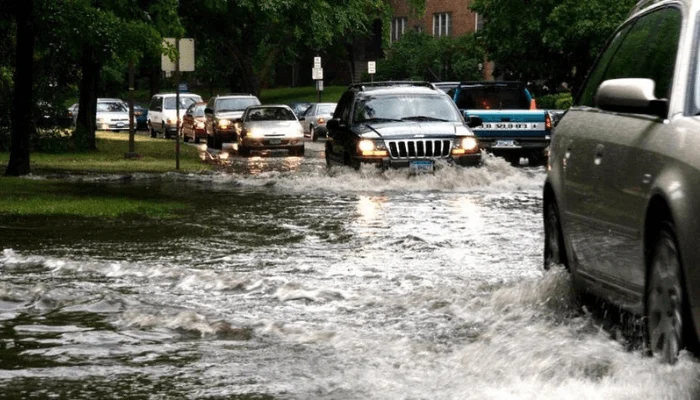
Flood-damaged vehicles represent one of the most serious threats facing Canadian used car buyers, potentially costing thousands in unexpected repairs while compromising safety and reliability. With climate change increasing severe weather events across Canada and damaged vehicles flowing across provincial and international borders, the risk of unknowingly purchasing a flood-damaged car has never been higher.
Learning how to avoid flood-damaged cars Canada requires understanding detection techniques, verification methods, and red flags that reveal water damage attempts to conceal. From Alberta’s devastating floods to eastern Canada’s hurricane impacts, water-damaged vehicles enter the used car market through various channels, making detection skills essential for every Canadian car buyer.
The financial consequences of purchasing flood-damaged vehicles extend far beyond repair costs, including insurance complications, safety risks, and complete value loss that can devastate your transportation budget and personal safety.
Understanding Flood Damage: The Hidden Destroyer
How Water Destroys Modern Vehicles
Contemporary vehicles contain sophisticated electronic systems, computer modules, and sensitive components that suffer irreparable damage when exposed to flood water. Unlike simple mechanical damage that affects individual components, flood damage creates cascading failures throughout interconnected vehicle systems.
Water penetration into engine compartments, passenger cabins, and trunk areas creates corrosion that continues destroying components long after initial exposure. Salt water from coastal flooding accelerates this destruction, while sewage-contaminated flood water introduces additional contamination that creates health hazards and persistent odor problems.
Modern vehicle electronics include dozens of computer modules controlling everything from engine management to safety systems. These expensive components rarely survive flood exposure and often fail unpredictably months or years after water damage, creating ongoing reliability nightmares for unsuspecting buyers.
Categories of Flood Damage Severity
Insurance companies and automotive professionals classify flood damage into several categories based on water penetration levels and exposure duration. Understanding these classifications helps buyers assess potential risks and make informed purchasing decisions.
Light flood damage involves water reaching floor level without significant electronic system penetration. While seemingly minor, even shallow water exposure can damage carpeting, seat mechanisms, and lower-level electronic components while creating moisture problems that lead to mold and corrosion issues.
Moderate flood damage includes water reaching dashboard level, affecting major electronic systems, HVAC components, and interior materials. This level of damage typically requires extensive repairs and component replacement that often exceed vehicle value, making economic repair impractical.
Severe flood damage involves complete vehicle submersion or extended water exposure that destroys most electronic systems, contaminates all fluids, and requires complete vehicle reconstruction. These vehicles should never return to service but unfortunately often appear in used car markets after superficial cosmetic restoration.
Canadian Flood Risk Areas and Market Infiltration
High-Risk Flood Zones Across Canada
Southern Alberta faces recurring flood risks from mountain snowmelt, severe storms, and river overflow events that have generated thousands of flood-damaged vehicles entering the used car market. The 2013 southern Alberta floods alone damaged over 100,000 vehicles, many of which were repaired and resold across Canada.
Eastern Canada experiences hurricane and tropical storm impacts that create widespread flooding and vehicle damage. Atlantic provinces face particular risks from coastal flooding and storm surge events that contaminate vehicles with corrosive salt water.
British Columbia’s diverse geography creates flood risks from mountain streams, coastal areas, and urban drainage failures during severe weather events. The province’s active used car import market from the United States increases exposure to flood-damaged vehicles from American disaster zones.
Cross-Border Vehicle Migration
Flood-damaged vehicles frequently cross provincial and international borders as sellers attempt to distance cars from their damage history and access markets where buyers may be less aware of specific flood events. American flood cars often appear in Canadian markets through auction systems and dealer networks.
Hurricane-damaged vehicles from the United States regularly infiltrate Canadian markets through legitimate importation channels and informal border crossings. These vehicles may carry clean titles in their destination provinces while hiding significant flood damage history from their origin locations.
Auction systems and wholesale markets facilitate flood-damaged vehicle distribution across wide geographic areas, making detection increasingly difficult for retail buyers who lack access to comprehensive vehicle history information.
Visual Inspection Techniques for Flood Detection
Exterior Warning Signs and Red Flags
Flood-damaged vehicles often display subtle exterior signs that reveal water exposure attempts to conceal. Examining paint consistency, trim alignment, and component condition provides crucial detection information for observant buyers.
Water lines and tide marks appear as horizontal discoloration or debris accumulation on body panels, wheel wells, and undercarriage components. These marks indicate the maximum water level reached during flood exposure and help assess damage severity.
Rust patterns on flood-damaged vehicles differ from normal wear corrosion, appearing in unusual locations and displaying accelerated progression that indicates water exposure. Check for rust in areas that typically remain protected from moisture, including inside door frames, around electrical connections, and on normally dry undercarriage components.
Mismatched or recently replaced exterior components may indicate flood damage repair attempts. Look for new parts mixed with aged components, fresh paint over water damage, or replacement panels that don’t match surrounding areas perfectly.
Interior Inspection Priorities
Vehicle interiors reveal extensive evidence of flood damage through material condition, electronic function, and hidden moisture indicators. Systematic interior inspection often provides the clearest flood damage evidence for trained observers.
Seat condition and operation provide immediate flood damage indicators. Check for water stains, unusual wear patterns, salt residue, or mechanical problems with power seat adjustments. Flood-damaged seats often feel stiff, display discoloration, or emit musty odors that indicate moisture exposure.
Carpet and floor mat inspection reveals crucial flood evidence through moisture damage, discoloration, and contamination signs. Remove floor mats and examine carpet edges for water lines, mold growth, or recent replacement that might conceal flood damage.
Dashboard and interior panel condition often reveals flood exposure through electronic malfunctions, discoloration, or component replacement. Check for non-functioning gauges, intermittent electrical problems, or interior panels that appear newer than surrounding components.
Electronic System Testing Procedures
Modern vehicles contain dozens of electronic systems that provide flood damage detection opportunities through systematic testing procedures. Comprehensive electronic testing often reveals flood damage that visual inspection might miss.
Test all electrical systems including lights, windows, air conditioning, radio, navigation, and charging ports. Flood-damaged vehicles often display intermittent electronic problems, non-functioning systems, or complete system failures that indicate water damage.
Check diagnostic trouble codes using OBD-II scanners or request professional diagnostic testing. Flood-damaged vehicles typically generate multiple error codes related to electronic system failures, sensor malfunctions, or communication problems between vehicle modules.
Examine electrical connections and wiring harnesses for corrosion, discoloration, or moisture damage. Flood exposure creates distinctive corrosion patterns on electrical connections that experienced inspectors can identify quickly.
Mechanical Inspection Strategies
Engine and Drivetrain Assessment
Flood damage affects engine and drivetrain components through water contamination, corrosion, and mechanical seizure that may not become apparent until after purchase. Understanding flood-related mechanical damage helps buyers avoid expensive repair surprises.
Engine oil and transmission fluid analysis reveals flood contamination through unusual color, consistency, or contamination indicators. Water-contaminated fluids appear milky, contain unusual particles, or display separation that indicates moisture intrusion.
Air filtration system inspection often reveals flood evidence through water damage, contamination, or recent replacement attempts. Examine air filters, intake systems, and ventilation components for water damage, debris accumulation, or signs of recent cleaning.
Exhaust system components may show flood damage through internal corrosion, unusual rust patterns, or mechanical damage from water exposure. Check exhaust pipes, mufflers, and catalytic converters for water damage indicators.
Suspension and Brake System Evaluation
Flood exposure affects suspension and brake components through accelerated corrosion, contamination, and mechanical damage that compromises vehicle safety and performance. These systems require careful inspection for flood-related problems.
Brake system components including rotors, calipers, and brake lines show distinctive flood damage patterns through accelerated corrosion, contamination, or mechanical seizure. Test brake operation and examine components for unusual wear or damage patterns.
Suspension components may display flood damage through corrosion, contamination, or mechanical problems that affect vehicle handling and safety. Check struts, springs, and suspension linkages for water damage indicators.
Undercarriage inspection reveals extensive flood damage evidence through component condition, corrosion patterns, and contamination indicators. Use proper lighting and inspection tools to examine undercarriage components thoroughly.
Documentation and History Verification
Vehicle History Report Analysis
Comprehensive vehicle history reports provide crucial flood damage information through insurance claims, title records, and registration history that may reveal water damage events. Understanding how to interpret these reports helps buyers identify potential flood damage risks.
Insurance claim records often indicate flood damage through total loss declarations, extensive repair claims, or salvage title designations. Look for claims coinciding with known flood events in the vehicle’s history locations.
Title history examination reveals flood damage through salvage designations, lemon law buybacks, or title washing attempts that might conceal damage history. Pay particular attention to title transfers following major flood events.
Registration location history helps identify vehicles originating from flood-prone areas or regions affected by specific disaster events. Cross-reference registration locations with known flood events and disaster timing.
Professional Inspection Services
Qualified automotive technicians and flood damage specialists provide expert inspection services that identify damage attempts to conceal through superficial repairs. Professional inspections offer valuable expertise for high-value vehicle purchases.
Pre-purchase inspection services specializing in flood damage detection use specialized equipment, diagnostic tools, and expertise to identify water damage indicators that typical inspections might miss.
Insurance assessors and automotive appraisers possess specialized training in flood damage identification and can provide expert opinions on vehicle condition and damage history for important purchasing decisions.
Independent mechanical inspections provide unbiased assessments of vehicle condition including flood damage indicators, repair estimates, and safety evaluations that inform purchasing decisions.
Red Flags and Warning Signs Checklist
Immediate Disqualification Indicators
Certain flood damage indicators should immediately eliminate vehicles from consideration regardless of price or apparent condition. These red flags typically indicate severe damage that makes safe, reliable operation impossible.
Musty, moldy, or sewage odors that persist despite cleaning attempts indicate serious contamination and moisture problems that will continue causing problems throughout vehicle ownership. These odors often intensify in warm weather or humid conditions.
Multiple non-functioning electrical systems, especially safety-related components like airbags, ABS brakes, or engine management systems, typically indicate extensive flood damage that makes the vehicle unsafe for operation.
Evidence of recent extensive interior replacement including seats, carpeting, or dashboard components may indicate attempts to conceal flood damage through cosmetic restoration without addressing underlying problems.
Suspicious Seller Behaviors
Seller reluctance to allow thorough inspections, provide vehicle history documentation, or permit professional evaluation often indicates attempts to conceal flood damage or other serious problems.
Unusual pricing significantly below market value may indicate flood damage, especially when combined with other warning signs or suspicious circumstances. Remember that exceptional deals often hide serious problems.
Pressure to complete transactions quickly without proper inspection time may indicate seller attempts to prevent thorough evaluation that would reveal flood damage or other serious issues.
Out-of-province sellers or vehicles with recent interprovincial transfers may be attempting to distance flood-damaged cars from their damage history and access markets with less awareness of specific flood events.
Legal Protections and Recourse Options
Canadian Consumer Protection Laws
Provincial consumer protection legislation provides varying levels of protection against flood-damaged vehicle sales, though enforcement and remedies differ significantly across jurisdictions. Understanding your legal rights helps protect against fraudulent sales.
Some provinces require disclosure of material defects including flood damage, while others operate under “buyer beware” principles that place responsibility entirely on purchasers to identify problems before completing transactions.
Dealer sales typically provide more legal protection than private party transactions, though specific protections vary by province and individual dealer policies. Research local consumer protection laws before completing vehicle purchases.
Lemon laws and cooling-off periods may provide recourse options for flood-damaged vehicle purchases, though time limits and specific requirements vary significantly across Canadian jurisdictions.
Insurance and Warranty Considerations
Vehicle insurance companies may refuse coverage or provide limited protection for flood-damaged vehicles, especially those with undisclosed damage history. Verify insurance availability before completing purchases of questionable vehicles.
Extended warranty providers often exclude flood-damaged vehicles from coverage, limiting protection against the extensive repairs typically required for water-damaged cars.
Manufacturer warranties may be voided by flood damage, eliminating important protection against expensive repairs and reducing vehicle value significantly.
Prevention Strategies and Best Practices
Safe Purchasing Protocols
Develop systematic inspection procedures that address all potential flood damage indicators before committing to vehicle purchases. Consistent application of comprehensive inspection protocols prevents costly mistakes.
Always obtain professional inspections for high-value vehicles or those displaying any flood damage indicators. The inspection cost represents valuable insurance against expensive repair surprises.
Research seller history, vehicle origins, and any connections to known flood events before beginning serious purchase negotiations. Information gathering prevents wasted time on unsuitable vehicles.
Verify vehicle history through multiple sources including official reports, insurance records, and independent research to ensure comprehensive damage history awareness.
Building Detection Expertise
Study flood damage indicators and inspection techniques to develop personal expertise in identifying water-damaged vehicles. Knowledge development improves your ability to detect problems and avoid costly mistakes.
Practice inspection techniques on various vehicles to develop recognition skills for subtle flood damage indicators that might not be immediately obvious to inexperienced buyers.
Network with automotive professionals, insurance adjusters, and experienced buyers who can provide advice and expertise for questionable vehicle evaluations.
Stay informed about current flood events, affected regions, and market trends that might indicate increased flood-damaged vehicle availability in your area.
Your Protection Action Plan
Successfully avoiding flood-damaged cars Canada requires combining systematic inspection techniques, comprehensive documentation review, and healthy skepticism about deals that seem too good to be true. The time invested in thorough evaluation prevents costly mistakes that can devastate your transportation budget and personal safety.
Remember that flood damage often remains hidden for months or years before revealing itself through expensive system failures and safety problems. Professional inspections and comprehensive history verification provide essential protection against these hidden dangers.
The Canadian used car market continues evolving as climate change increases severe weather events and damaged vehicles migrate across provincial and international borders. Staying informed about flood risks, detection techniques, and market trends helps maintain protection against these serious threats.
Your vigilance and expertise in flood damage detection not only protects your immediate purchase but also helps maintain market integrity by reducing demand for flood-damaged vehicles, ultimately protecting all Canadian car buyers from these dangerous machines.
Protect yourself from flood-damaged vehicles with comprehensive listings and expert inspection guides at MyCanadaAutos.com, where verified vehicle histories and trusted dealers help ensure your used car purchase is safe and reliable.